The author is making several good points related to Understanding Hard Water: Its Effects on Plumbing overall in this content following next.
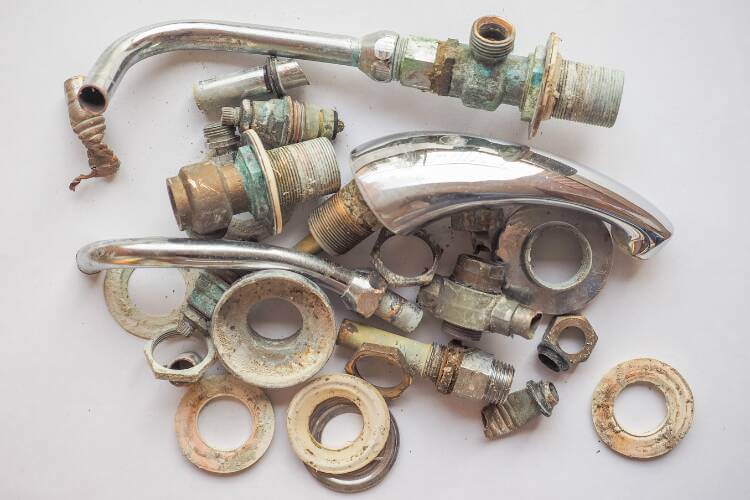
Difficult water, an usual concern in several houses, can have significant impacts on pipes systems. Understanding these impacts is vital for keeping the longevity and efficiency of your pipelines and fixtures.
Introduction
Hard water is water that contains high levels of liquified minerals, mainly calcium and magnesium. These minerals are harmless to human health but can ruin pipes infrastructure in time. Allow's look into how difficult water influences pipelines and what you can do concerning it.
What is Hard Water?
Hard water is characterized by its mineral web content, specifically calcium and magnesium ions. These minerals enter the supply of water as it percolates via limestone and chalk deposits underground. When difficult water is warmed or delegated stand, it has a tendency to develop range, a crusty accumulation that complies with surfaces and can create a series of concerns in plumbing systems.
Influence on Pipeline
Tough water impacts pipelines in a number of destructive means, primarily through scale accumulation, decreased water circulation, and boosted rust.
Scale Buildup
Among one of the most common issues triggered by difficult water is scale build-up inside pipelines and components. As water streams with the pipes system, minerals precipitate out and comply with the pipe walls. In time, this accumulation can tighten pipe openings, causing reduced water circulation and boosted stress on the system.
Reduced Water Circulation
Natural resources from hard water can slowly minimize the size of pipelines, limiting water flow to faucets, showers, and home appliances. This decreased circulation not just impacts water pressure but likewise enhances power consumption as appliances like hot water heater need to function more difficult to provide the same quantity of hot water.
Deterioration
While hard water minerals themselves do not create deterioration, they can intensify existing deterioration issues in pipes. Scale accumulation can catch water versus steel surfaces, increasing the rust procedure and potentially bring about leakages or pipe failure gradually.
Device Damage
Beyond pipelines, tough water can also harm home appliances attached to the water. Devices such as hot water heater, dishwashing machines, and cleaning equipments are especially vulnerable to scale buildup. This can lower their efficiency, rise maintenance prices, and reduce their life expectancy.
Costs of Hard Water
The monetary implications of difficult water prolong past plumbing fixings to include increased power bills and premature appliance replacement.
Repair work Prices
Managing hard water-related issues can be costly, especially if range buildup results in pipeline or device failure. Regular upkeep and early discovery of troubles can aid reduce these prices.
Power Effectiveness
Range accumulation minimizes the effectiveness of hot water heater and various other devices, leading to greater power consumption. By resolving hard water concerns immediately, home owners can boost energy effectiveness and decrease energy costs.
Testing and Treatment
Checking for hard water and executing suitable therapy measures is essential to reducing its results on pipelines and appliances.
Water Conditioners
Water conditioners are the most usual remedy for treating difficult water. They work by exchanging calcium and magnesium ions with salt or potassium ions, properly minimizing the solidity of the water.
Various Other Treatment Options
In addition to water softeners, other treatment choices consist of magnetic water conditioners, reverse osmosis systems, and chemical ingredients. Each method has its advantages and viability depending on the seriousness of the hard water issue and house demands.
Preventive Measures
Stopping tough water damages requires a mix of positive maintenance and thoughtful fixture option.
Routine Maintenance
Frequently flushing the pipes system and checking for range build-up can help protect against costly repair services down the line. Periodic checks of appliances for signs of scale accumulation are also essential.
Choosing the Right Fixtures
Opting for plumbing components and appliances made to hold up against tough water conditions can mitigate its results. Seek items with corrosion-resistant products and easy-clean attributes to decrease upkeep requirements.
Verdict
In conclusion, the impacts of difficult water on pipes and devices are considerable however convenient with proper recognition and safety nets. By comprehending how hard water impacts your plumbing system and taking proactive steps to reduce its effects, you can expand the life of your pipelines, improve power effectiveness, and lower maintenance expenses in the long run.
How Hard Water Affects Your Plumbing System
Effects Of Hard Water On Your Plumbing
Corrosion
The corrosive properties of magnesium and calcium damage certain metal types used in plumbing. As the minerals break down the metals, water becomes discolored and leads to leaks. If the corroded section is not repaired, the plumbing starts to disintegrate.
Reduced Water Flow
As scale accumulates in pipes, it narrows the pipes’ pathways through which water flows. This can result in reduced water flow from faucets and showerheads. Over time, the diminished water flow can become a significant inconvenience, affecting daily activities such as showering, washing dishes, or doing laundry.
Clogged Faucets and Showerheads
Faucets and showerheads are particularly susceptible to scale buildup. The minerals in hard water can accumulate around the openings of these fixtures, leading to clogs. This reduces water flow and affects the effectiveness of these fixtures. Regular cleaning may be required to maintain optimal performance.
Appliance Damage
Beyond plumbing fixtures, hard water can damage various household appliances. Appliances that use water, such as washing machines and dishwashers, may experience reduced efficiency and a shortened lifespan due to scale accumulation.
Reduced Water Quality
Your plumbing system is the primary water source for delivering clean water. You use this water for daily tasks, including bathing, washing clothes, cooking, etc. Some people even drink tap water, and though a little salt in water is safe for consumption, it damages your skin and hair and doesn’t have a friendly relationship with your appliances.
Hard water minerals interfere with the workings of detergents and soap, making it difficult to remove food stains, oil and dirt, and other substances. Because of this, you end up using a large amount of cleaning products. You will notice that your new clothes now have a dull, gray appearance and the old ones have become weak.
Water Heater Damage
Hard water can also impact the efficiency of water heaters. The heating elements in water heaters can become coated with scale, reducing their ability to transfer heat to the water. Hence, the water heater uses more energy to reach the desired temperature, increasing energy bills. Additionally, the scale buildup can contribute to the deterioration of the water heater over time.
https://www.bobhoeglerplumbing.com/blog/2023/11/30/how-hard-water-affects-your-plumbing-system/
We were shown that report about The Impact of Hard Water on Your Plumbing from a friend on a different web property. Sharing is good. You never know, you may very well be helping someone out. We love reading our article about The Effects of Hard Water on Your Plumbing System.
Click